BMW Brake Repair Service in Huntington Station, NY | Habberstad BMW
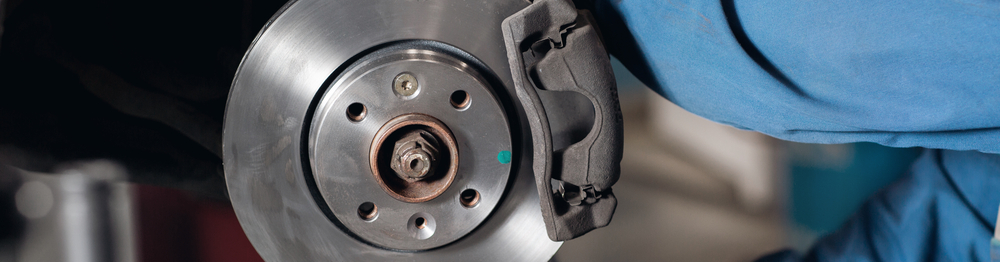
The Brakes on Your BMW Are Engineered to Perform. Keeping Them That Way Takes More Than a Basic Pad Swap.
BMW braking systems are built to deliver consistent stopping power across a wide range of driving conditions, but they require the right parts, the right process, and attention to components beyond just the pads. Rotors, calipers, brake fluid, and wear sensors all play a role in how the system performs. The service team at Habberstad BMW in Huntington Station handles brake inspections, pad and rotor service, caliper work, and brake fluid flushes for all BMW models, using parts and specifications matched to your vehicle.
What Sets a BMW Braking System Apart
BMW brakes are designed with performance and precision in mind. The brake pad compounds used on BMW vehicles are specific to each model and driving profile, and they wear differently than generic replacement pads. Using the wrong compound can affect stopping distance, increase rotor wear, and change how the brake pedal feels underfoot. Getting the pad specification right for your BMW is the starting point of any proper brake service.
BMW vehicles are equipped with electronic brake pad wear sensors rather than simple metal squealer tabs. These sensors are embedded in the brake pad material and connected to the vehicle's monitoring system. When the pad wears down to the minimum thickness, the sensor triggers a warning on the iDrive display. This gives drivers advance notice before the pad reaches the rotor, which is one of the more useful features built into BMW's Condition Based Service monitoring system.
Rotors on BMW vehicles have a minimum thickness specification that must be met for safe operation. A rotor that has worn below that spec or developed deep grooves from contact with a worn pad cannot be returned to safe condition through resurfacing alone. We measure rotor thickness at every brake inspection and compare it against the BMW specification for your model before any recommendation is made.
- BMW brake pads are model-specific and use compounds that differ from standard aftermarket replacements
- Electronic wear sensors alert drivers through iDrive when pads reach minimum thickness
- Rotor thickness is measured against BMW's specification before resurfacing or replacement is recommended
Brake Warning Signs That Are Worth Acting On Quickly
The most straightforward sign is the brake pad warning on the iDrive display. When that message appears, the pads are at or near the minimum thickness and should be replaced at the next available appointment. Continuing to drive on pads that have triggered the sensor puts the rotor at risk of contact damage, which turns a pad replacement into a more involved and more expensive job.
Noise is another clear indicator. A high-pitched squeal that occurs during normal braking and goes away when the brakes are released is often a wear indicator doing its job. A grinding or metal-on-metal sound means the pad material is gone and the caliper bracket is making direct contact with the rotor. That sound requires immediate attention to prevent further rotor damage.
Vibration or pulsation through the brake pedal or steering wheel when slowing down usually points to rotor runout or uneven rotor wear. A soft or spongy pedal that requires more pressure than usual before the brakes engage is often a brake fluid concern. Pulling to one side during braking typically indicates uneven pad wear between sides or a caliper that is not releasing fully. Each of these symptoms points to a different part of the system.
- An iDrive brake pad warning means pads are at minimum thickness and should be replaced promptly
- Grinding sounds indicate metal-on-metal contact and require immediate service to prevent rotor damage
- Pedal vibration, soft pedal feel, and pulling to one side each point to different brake system components
Brake Services Performed at Habberstad BMW
Our brake service covers everything from a measurement-based inspection to full pad, rotor, caliper, and fluid service on all BMW models.
Brake Inspection and Measurement
We measure pad thickness at all four wheel positions and compare rotor thickness against the BMW minimum specification for your model. The inspection also covers caliper condition, brake hardware, and the brake wear sensor connectors. Everything is documented so you have a clear picture of where each brake component stands. If all measurements fall within acceptable range, no service is recommended. If any component is at or past the service threshold, we walk through the findings with you before any work begins.
Pad and Rotor Replacement
Brake pad replacement includes new wear sensors at every axle where pads are replaced, so the monitoring system resets correctly and will alert you accurately at the next service interval. Rotors are measured before the decision to resurface or replace is made. When rotors are replaced, we use parts that meet BMW's specifications for your model. After installation, the brakes are bedded in and tested before the vehicle leaves our shop to confirm even contact and correct pedal feel.
Caliper Service and Brake Fluid Flush
Calipers that are sticking or not releasing fully cause uneven pad wear and can generate heat buildup that affects braking consistency. We service or replace calipers as needed, including the rear calipers on BMW models with an integrated electric parking brake, which require a specific retraction process during service. Brake fluid flushes are also performed here, removing moisture-contaminated fluid and replacing it with fresh fluid to BMW's specification for your model year.
Brake Fluid and Why BMW Puts a Time Limit on It
BMW recommends replacing brake fluid every two years, regardless of mileage. The reason is that brake fluid absorbs moisture from the air over time, and as water content increases, the boiling point of the fluid drops. Under hard braking, brake fluid can reach high temperatures. Fluid that has absorbed too much moisture can boil under those conditions, which creates vapor bubbles in the brake lines and produces a sudden loss of pedal firmness.
Newer BMW models specify DOT 4 Low Viscosity fluid, which has different handling requirements than standard DOT 4. Using the wrong fluid type affects how the system performs, particularly in vehicles with advanced stability and braking control systems. We confirm the correct brake fluid specification from your vehicle before any flush is performed.
- BMW recommends brake fluid replacement every two years due to moisture absorption over time
- Moisture-contaminated fluid lowers the boiling point and can cause pedal fade under hard braking
- Newer BMW models require DOT 4 Low Viscosity fluid, which differs from standard DOT 4
A brake fluid flush takes less than an hour and is often combined with a pad replacement or routine service appointment. If it has been more than two years since your BMW's last fluid change, it is worth adding to the next visit regardless of what else is being serviced.
BMW Brake Service at Habberstad BMW in Huntington Station
Our service center handles brake work across the full BMW lineup, from standard models to M performance vehicles. M models use larger calipers and higher-performance pad compounds, and we stock the correct parts for those vehicles separately from the standard lineup. Every brake service appointment includes a full four-corner inspection so nothing is missed while we are already in there.
Most pad replacements are completed the same day. Jobs that include rotor replacement, caliper service, or a brake fluid flush are typically finished within two to three hours. If the inspection reveals something unexpected that affects the timeline or the scope of work, we communicate that before proceeding.
- Brake service available for all BMW models, including M performance vehicles with upgraded braking components
- Most pad replacements completed same-day; larger jobs typically finished within two to three hours
- Four-corner brake inspection included with every brake service appointment
Find Habberstad BMW in Huntington Station
Brake Service for BMW Drivers Across Long Island
BMW owners from across Long Island bring their vehicles to Habberstad BMW for brake inspections and repairs. Every appointment starts with a full measurement of pad and rotor thickness, and every recommendation is based on what those measurements show rather than a default assumption that all four corners need work.
- Huntington, NY
- Melville, NY
- Commack, NY
- Northport, NY
- Cold Spring Harbor, NY
- Centerport, NY
- Dix Hills, NY
- Syosset, NY
If your BMW has triggered a brake warning, is making noise during braking, or simply has not had its brakes inspected in a while, give us a call. We will let you know what to expect before you come in and have everything ready when you arrive.
Brake Questions BMW Owners Ask Us Most
These are the questions our service advisors hear most consistently when customers come in with brake concerns.
Q: How does my BMW let me know when brake pads need to be replaced?
Q: Do BMW rotors need to be replaced every time the pads are replaced?
Q: Why does my BMW brake pedal feel soft or spongy?
Q: What causes vibration when braking on a BMW?
Q: Can I drive my BMW with the brake warning light on?
Have a noise, vibration, or warning light you want to describe before scheduling? Call our service desk and walk us through what you are experiencing. We can usually tell you whether it sounds brake-related and how urgently it should be addressed.
Straight answers, no guesswork.
Schedule BMW Brake Service at Habberstad BMW
Brake wear is gradual, and the warning signs are easy to put off until they become impossible to ignore. A pad that reaches the sensor is close to the rotor. A rotor that gets scored from contact with a bare caliper bracket costs significantly more to address than a pad replacement would have. Staying ahead of brake service is one of the more practical ways to manage maintenance costs on a BMW.
Every brake appointment at Habberstad BMW starts with a four-corner measurement of pad and rotor thickness. Recommendations are based on those numbers. Wear sensors are replaced with the pads so the monitoring system works correctly going forward. Brake fluid is checked for moisture content, and a flush is recommended if it is past the two-year interval. Nothing is added to the bill without a documented reason.
Schedule online, call during business hours, or stop by our Huntington Station service center. If you are seeing a warning, hearing noise, or noticing any change in how the brakes feel, bring it in sooner rather than later.
Service Specials

Summer Road Trip Inspection
-Multi-point inspection -Battery test -Tire inspection/balance

Service Transportation

Legacy Owners Package

Tire Price Match
Don't forget! Habberstad BMW participates in the Tire Price Match Promise Program! If you find a better price than what we offer from a tire retailer, we will m
Read More
We Fix Rims
We can repair your bent wheels on site! Buy three rim repairs at full price ($169.99) and get a 4th free!
Second Opinion
Bring in your written statement from any authorized repair facility and we will give you a 2nd option estimate.

100K Club
Have a BMW with over 100,000 miles? Get 10% off service up to $100. Excludes tires, maintenance, value service items, and alignments. With minimum spend of $150
Read More

Front or Rear Brake Pads
Replace front or rear pads,Inspect discs, calipers, lines, hoses, cylinders, and master cylinder